Winterizing Your DFW Home's Plumbing This Fall
A mild North Texas afternoon can turn into a freezing night when a cold front moves through, leaving outdoor faucets and exposed pipes at risk. When you learn how to winterize your plumbing properly and start while the days are still warm, you can protect your pipes before the first hard freeze.
With more than 50 years of combined experience, On Point Plumbing DFW provides residential plumbing services to homeowners throughout Fort Worth, Arlington, Bedford, Aledo, and Weatherford. We’ve created this guide to help you avoid plumbing damage caused by water freezing and expanding inside your home’s lines and fittings, which can lead to leaks, burst pipes, and flooding.
1. Prepare Outdoor Faucets and Sprinkler Lines
Outdoor plumbing has the least protection from the cold, so start outside:
- Disconnect garden hoses: An attached hose raises the chance that the faucet and the pipe just inside your wall will freeze.
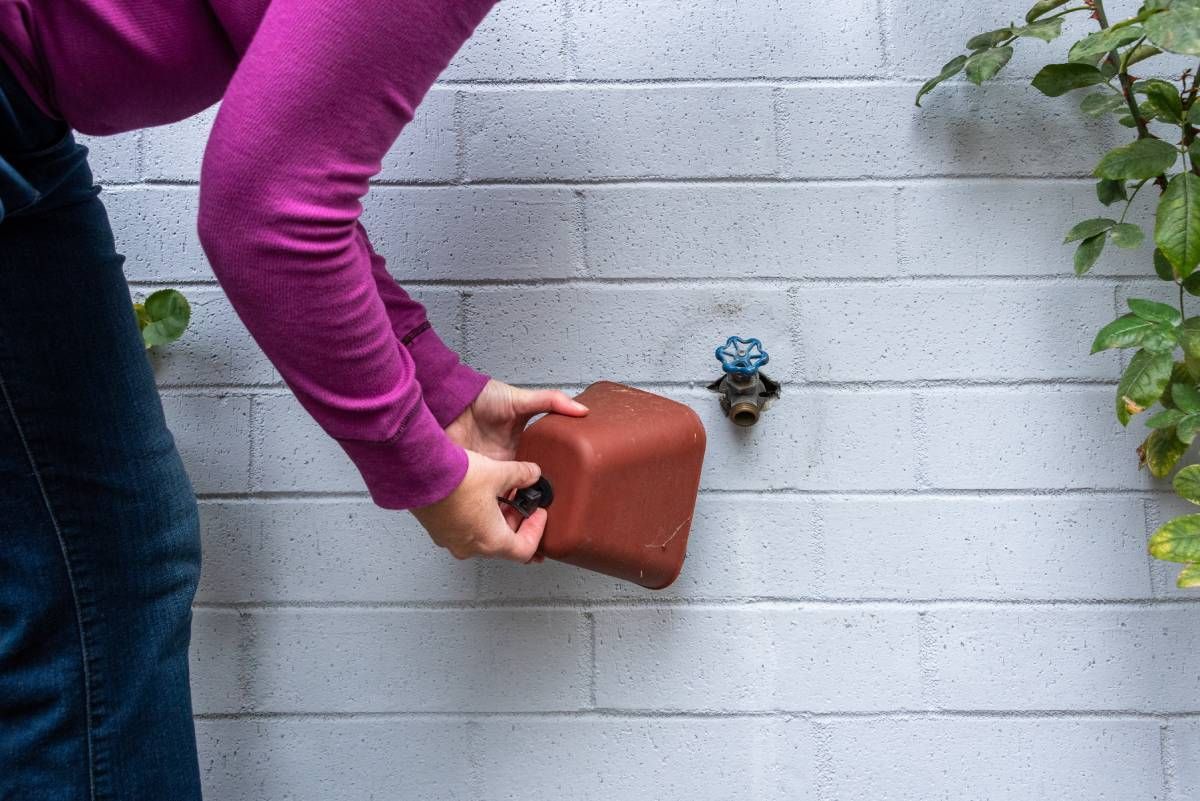
- Cover outdoor faucets: Fit an insulated foam cover over each spigot.
- Shut down your sprinkler system: Turn off the controller and the water at the backflow device, then run the zone closest to the backflow to release pressure from the main line. Wrap any exposed backflow components.
- Drain outdoor kitchens and misting lines: Turn off the water to outdoor sinks, ice makers, and misting systems, then drain the exposed piping.
2. Insulate Exposed Water Pipes
Foam pipe sleeves help winterize water pipes in unheated areas of your home, provided the insulation completely covers each pipe. If you're wondering how to winterize pipes in your house, here’s where you should begin:
- Inspect the attic: Uninsulated pipes running through the attic are among the most likely to freeze.
- Cover garage lines: Insulate pipes along garage walls and the lines that feed laundry hookups and water heaters.
- Look inside crawl spaces: Insulate exposed lines beneath the house and close openings that let in cold air.
- Seal gaps around pipe openings: Fill any gaps where pipes pass through walls and floors with caulk or spray foam.
3. Check Your Water Heater and Indoor Plumbing
Indoor equipment matters, too, when you're figuring out how to winterize house pipes:
- Inspect your water heater: Look for leaks or corrosion, and keep up with routine water heater maintenance, such as flushing sediment from the tank.
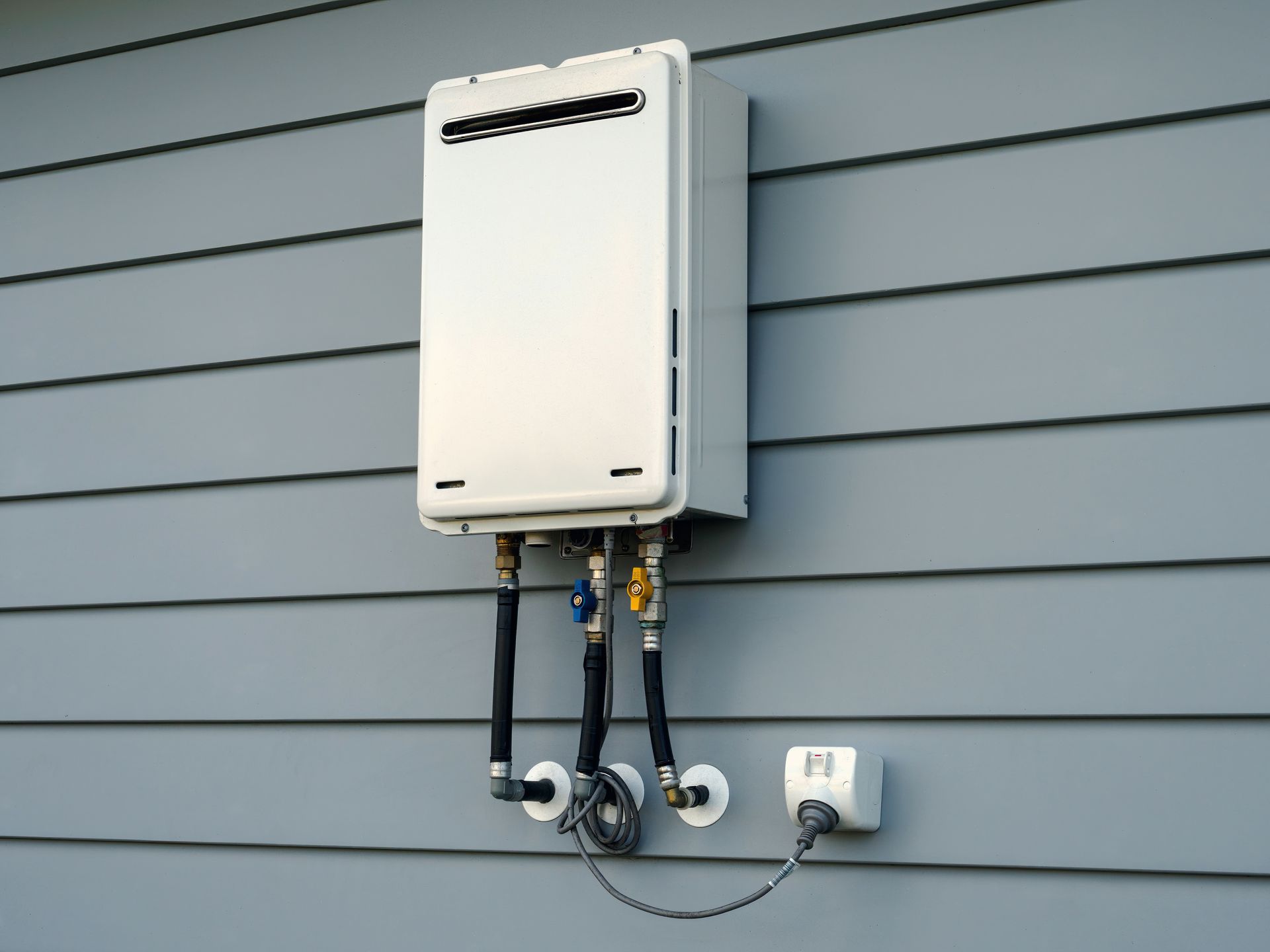
- Protect tankless water heaters: For units outside or in unheated spaces, insulate the connected pipes. Built-in freeze protection runs on electricity, so follow the manufacturer's draining directions if the power goes out in cold weather.
- Insulate pipes under sinks: Cover the pipes beneath kitchen and bathroom sinks that sit against outside walls.
4. Locate Your Main Water Shutoff Valve
A one-eighth-inch crack in a pipe can release more than 250 gallons of water a day, so a quick shutoff can limit flooding and damage. Prepare before winter arrives:
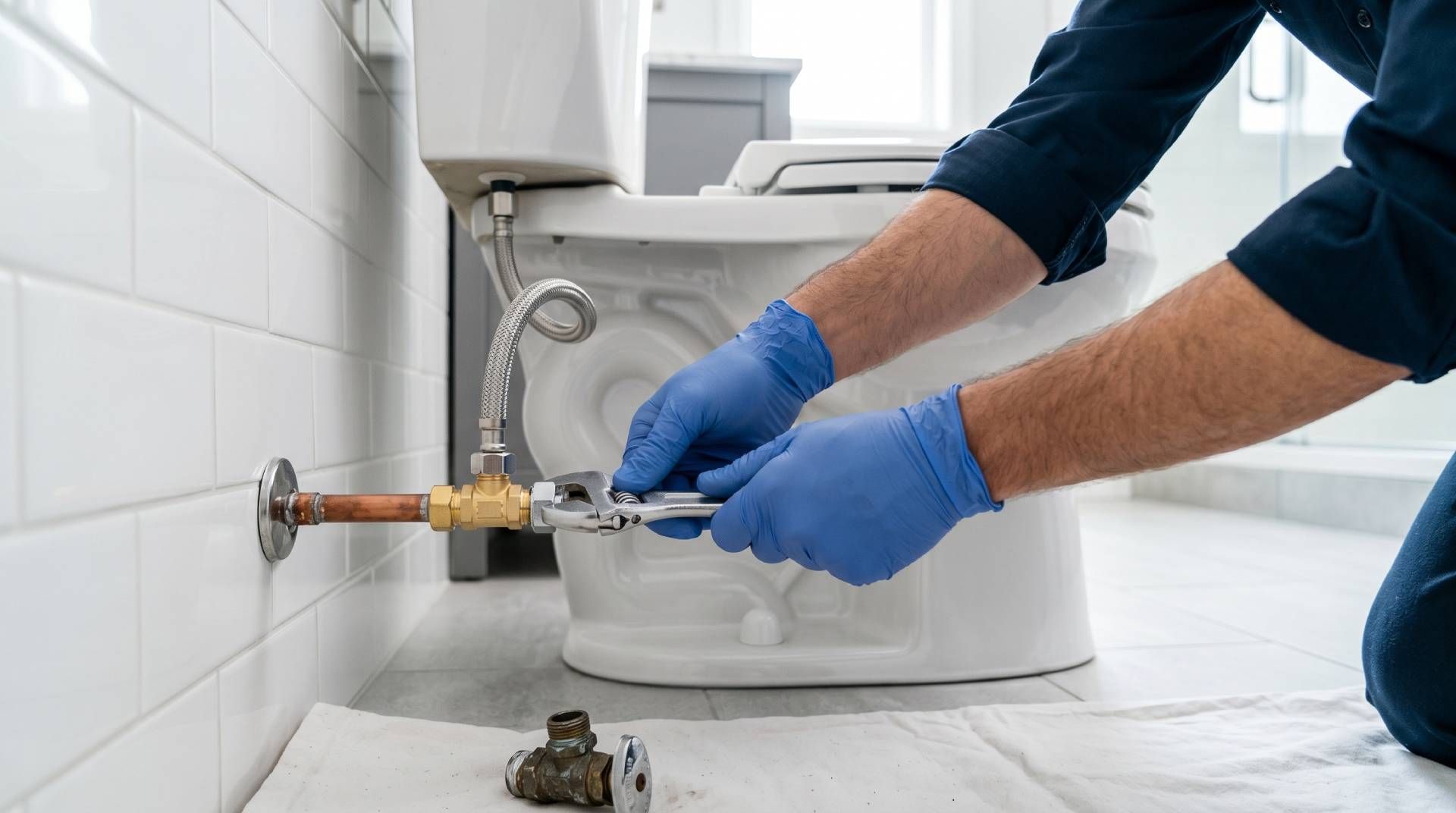
- Find the main shutoff valve: In many homes, the valve is on your side of the water meter box; some also have an indoor valve near the water heater or where the main line enters the house.
- Test the valve: Make sure it turns freely. If it's stuck, damaged, or leaking, have a plumber repair or replace it.
- Keep the meter box covered: Leave the lid on to prevent the meter from freezing.
- Show everyone in the household: Make sure everybody in the house knows where the valve is and how to close it.
5. Take Extra Precautions during a Freeze
Even after you winterize home plumbing, take a few more steps when a cold snap is in the forecast:
- Keep the heat steady: Leave the thermostat at the same setting day and night. If you're traveling, set it no lower than 55°F.
- Open sink cabinets: Leave the doors under sinks on exterior walls open so warm air can reach the pipes.
- Let faucets drip: A slow drip of cold water from faucets with exposed pipes keeps the water moving. Check with your water utility for dripping guidance.
- Keep garage doors closed: Closed doors help hold warmer air around the pipes in your garage.
- Handle frozen pipes safely: If only a trickle comes out of a faucet, a pipe may be frozen. Never attempt to thaw it with an open flame. The pipe may already be cracked, so you’re better off calling a plumber. If a pipe bursts, shut off the main water supply first.
Winterize Home Plumbing with Help from On Point Plumbing DFW
Knowing how to winterize your plumbing gives your home a better chance of getting through winter without burst pipes or soaked drywall. A damaged spigot, stuck valve, or slow leak is far easier to fix in the fall than during a hard freeze.
On Point Plumbing DFW's licensed plumbers do the job right the first time, follow local codes, and offer fair pricing and work backed by strong warranties.
Our team serves homeowners in Bedford, Fort Worth, Arlington, Aledo, Weatherford, and communities throughout Tarrant County and Dallas County, with 24/7 emergency repairs available if a freeze damages your plumbing.
Contact On Point Plumbing DFW to schedule a plumbing inspection before the next freeze.