Garbage Disposal Cleaning, Unclogging, and Maintenance
Your garbage disposal handles plenty of dirty work every time food scraps go down the drain. You flip the switch and expect everything to disappear. Most of the time, that's exactly what happens, until one day it doesn't.
Odors and stubborn clogs are common signs that your disposal needs attention. Fortunately, basic garbage disposal cleaning can solve many minor problems and may help prevent others. Below, Dallas-Fort Worth homeowners will find which maintenance jobs are safe to handle themselves and when the problem calls for a plumber.
How to Clean a Garbage Disposal Safely
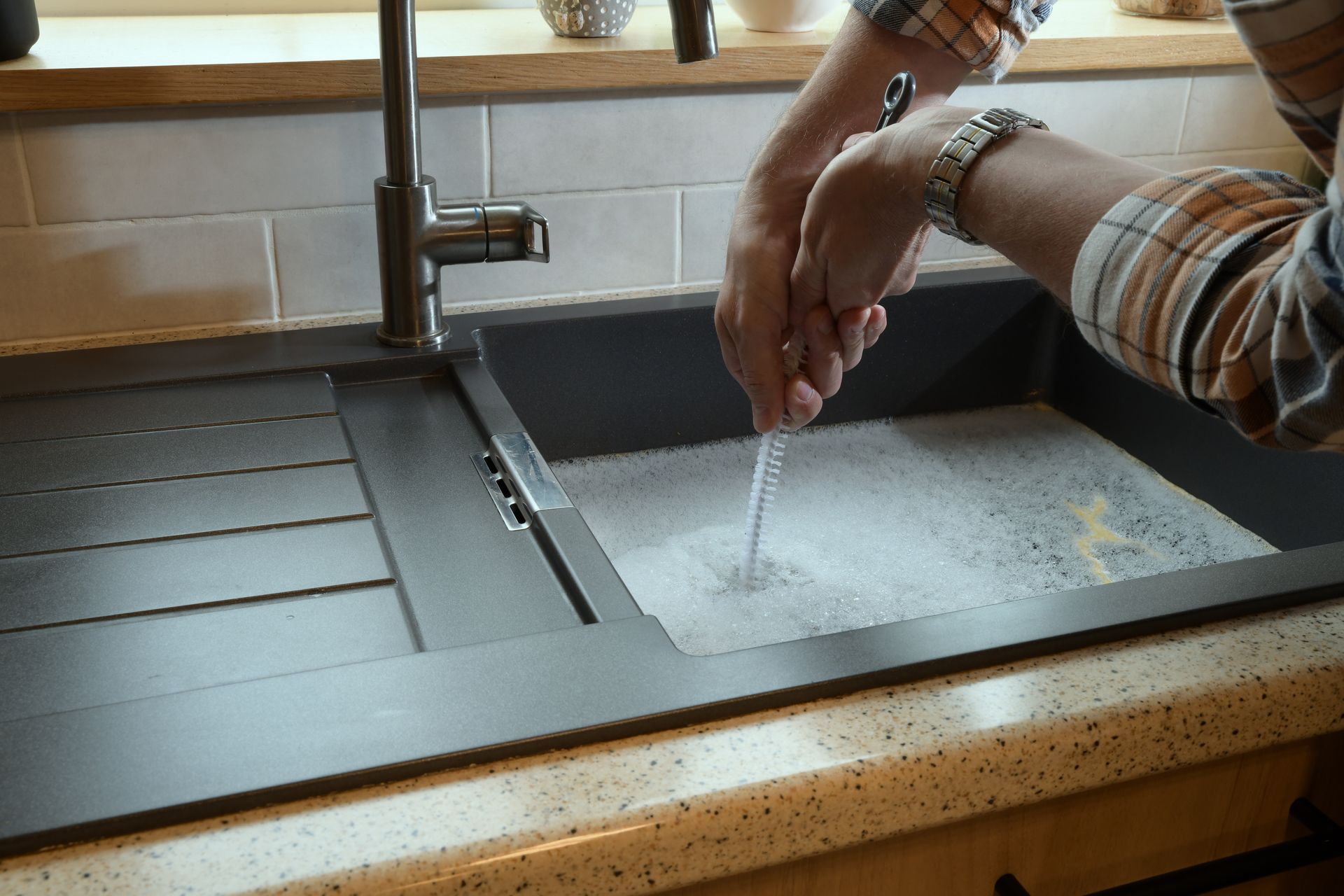
If you're wondering how to clean a garbage disposal, start with the area people often overlook: the splash guard. Food residue and grease can collect beneath its rubber flaps, causing unpleasant odors even when the grinding chamber looks relatively clean. Cleaning a garbage disposal starts here because a quick rinse rarely reaches that residue.
Before touching anything near the disposal opening, turn off the unit and disconnect its power. Unplug it beneath the sink if possible or shut off the appropriate circuit breaker. Never put your hand inside a disposal, even when the power is off.
Once the power is disconnected, lift the splash guard and scrub its accessible surfaces with dish soap and a small brush or cloth. If you spot food or another object inside the disposal, remove it with long-handled tongs or pliers rather than your fingers.
For additional cleaning, check your disposal manufacturer's instructions. Depending on the model, methods may include flushing the unit with water and baking soda or using a manufacturer-approved disposal cleaner. Many disposals can also handle a few citrus peels, which some homeowners grind to freshen the sink.
How to Unclog a Garbage Disposal
A disposal that hums without grinding may be jammed. A sink that drains slowly or won't drain at all may indicate a blockage in the disposal or the connected drain plumbing.
Learning how to unclog a garbage disposal starts with one key rule: cut the power before inspecting the unit.
With the disposal disconnected, shine a flashlight into the opening. If you see a utensil, fruit pit, bone, or other obstruction, carefully retrieve it with tongs or pliers.
Some disposal models also have a hex socket underneath the unit. Using the correct disposal wrench or Allen wrench, you may be able to manually rotate the grinding mechanism back and forth until the obstruction breaks free. Follow the owner's manual for your particular model rather than forcing anything.
After clearing the obstruction, remove your tools and let the motor cool for a few minutes. Then, if the disposal has one, press its reset button, restore power, turn on a steady stream of cold water, and briefly test the disposal.
Still humming? Shut it off. Repeatedly running a jammed disposal can overheat the motor and won't solve the underlying problem.
How to Unclog a Kitchen Sink with a Disposal
Sometimes the disposal isn't the real culprit. If you're trying to unclog a kitchen sink with a disposal attached, pay attention to how the sink drains after the disposal runs.
Avoid pouring harsh chemical drain cleaners into the disposal. Disposal manufacturers advise against using harsh cleaning products, and those chemicals may create additional safety concerns when someone later needs to open or service the plumbing.
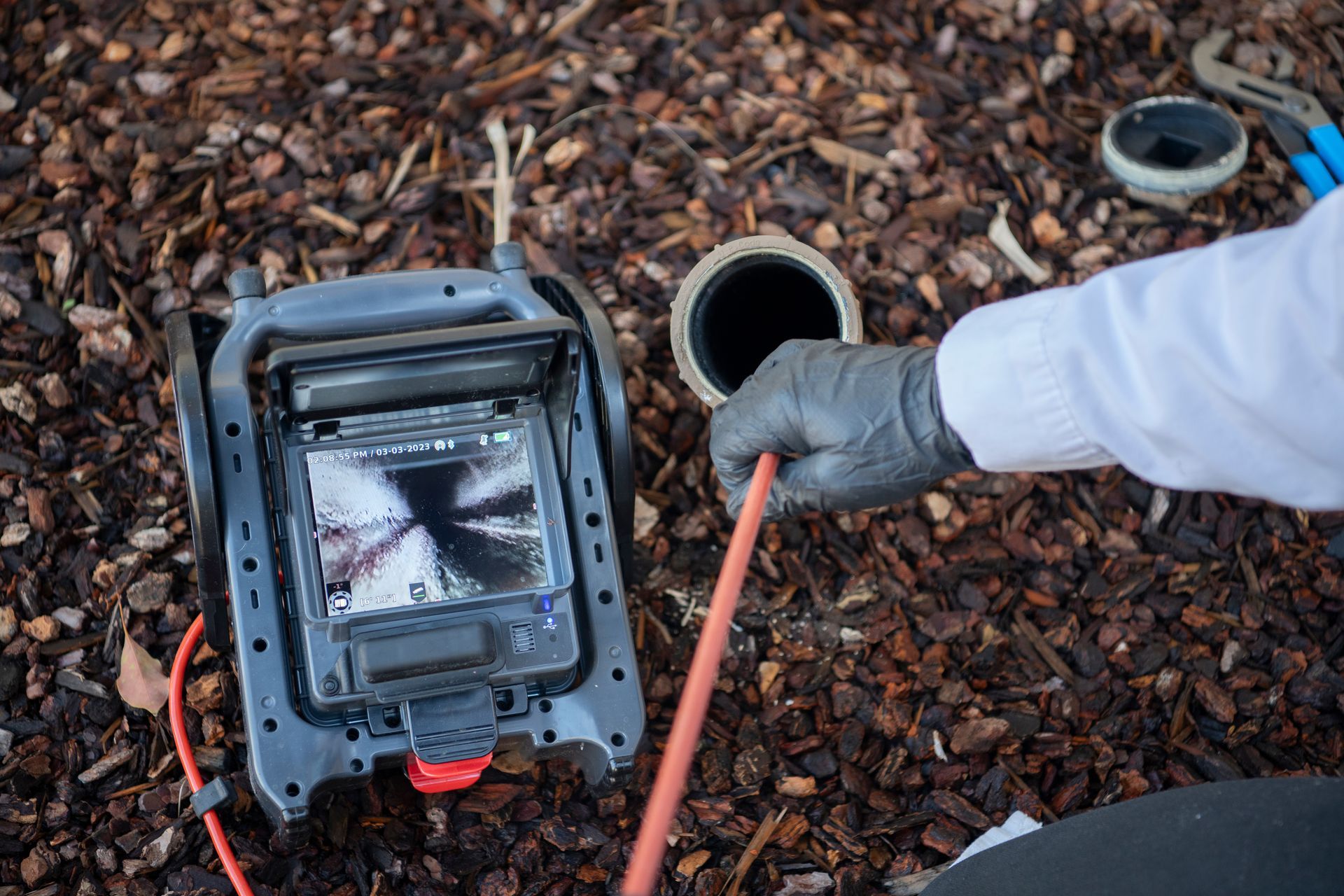
When the disposal runs normally, but the sink remains clogged, professional drain cleaning can identify and address the actual blockage rather than treating the disposal as the problem.
What Should Never Go Down a Garbage Disposal?
Grease and oils are especially troublesome because they can build up in drain piping and cause blockages. Large bones and other hard objects can jam many disposals, and only some models are designed to grind bones, so check your owner's manual. Glass, plastic, metal, utensils, bottle caps, and other nonfood materials don't belong in the disposal either.
Be cautious with fibrous foods such as celery and artichoke leaves, as many models struggle to grind them.
When grinding appropriate food scraps, use cold water and feed waste gradually rather than stuffing the chamber full at once. Keep the water running briefly afterward to help move ground material through the drain.
Simple Garbage Disposal Maintenance That Pays Off
Pay attention to how your disposal sounds, smells, and drains.
Clean accumulated residue periodically. Run cold water during normal operation. Don't overload the unit. Keep grease out of the drain. If the disposal begins making unusual noises, repeatedly trips its reset, leaks underneath the sink, or stops grinding properly, don't keep forcing it to run.
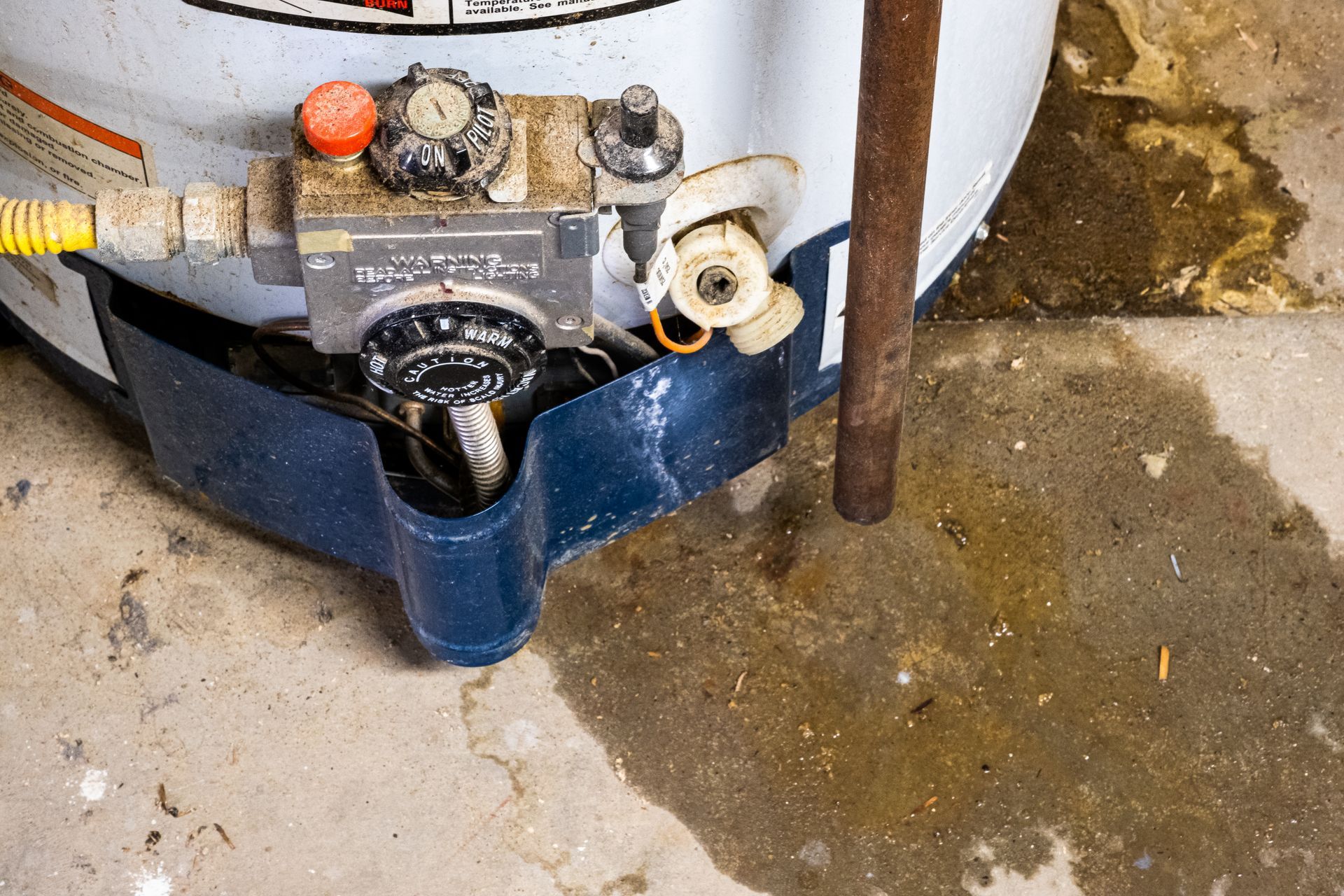
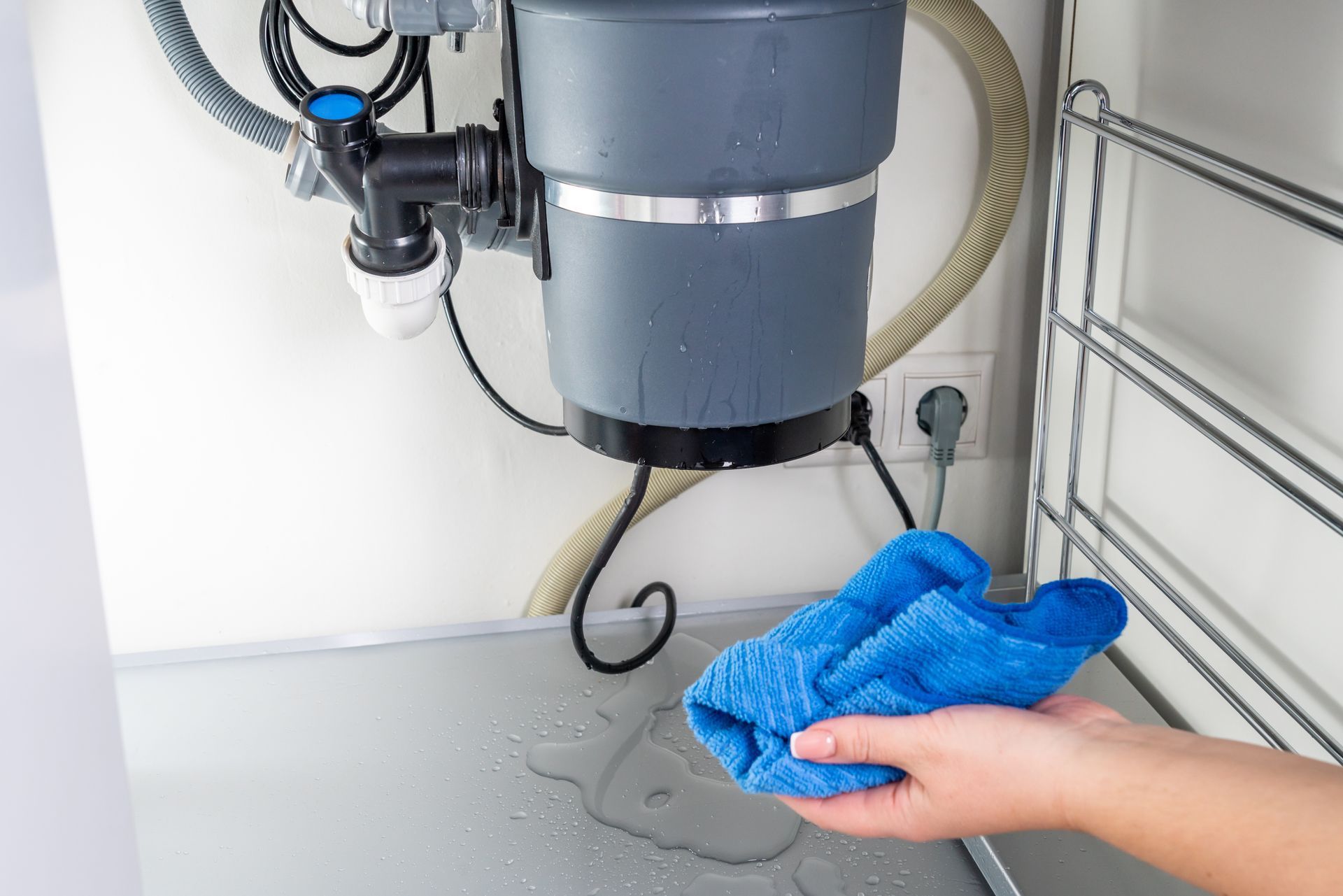
Leaks deserve particular attention. Water around the disposal may come from a loose plumbing connection, a damaged seal, a cracked component, or another part of the sink's drainage system. Identifying the source is essential before deciding whether repair or replacement makes sense.
Professional Help for a Stubborn Kitchen Sink Clog in Dallas-Fort Worth
If you've tried safe garbage disposal cleaning or basic jam-clearing methods and the problem keeps returning, On Point Plumbing DFW can diagnose the drain plumbing connected to your disposal. With locations in Bedford and Fort Worth, our team provides residential and commercial plumbing services throughout the Dallas-Fort Worth area, including Arlington, Weatherford, Aledo, Tarrant County, and Dallas County.
With more than 50 years of combined plumbing experience, our team focuses on fair, upfront pricing, clear communication, code-compliant work, and doing repairs correctly the first time. We also back our work with warranties.
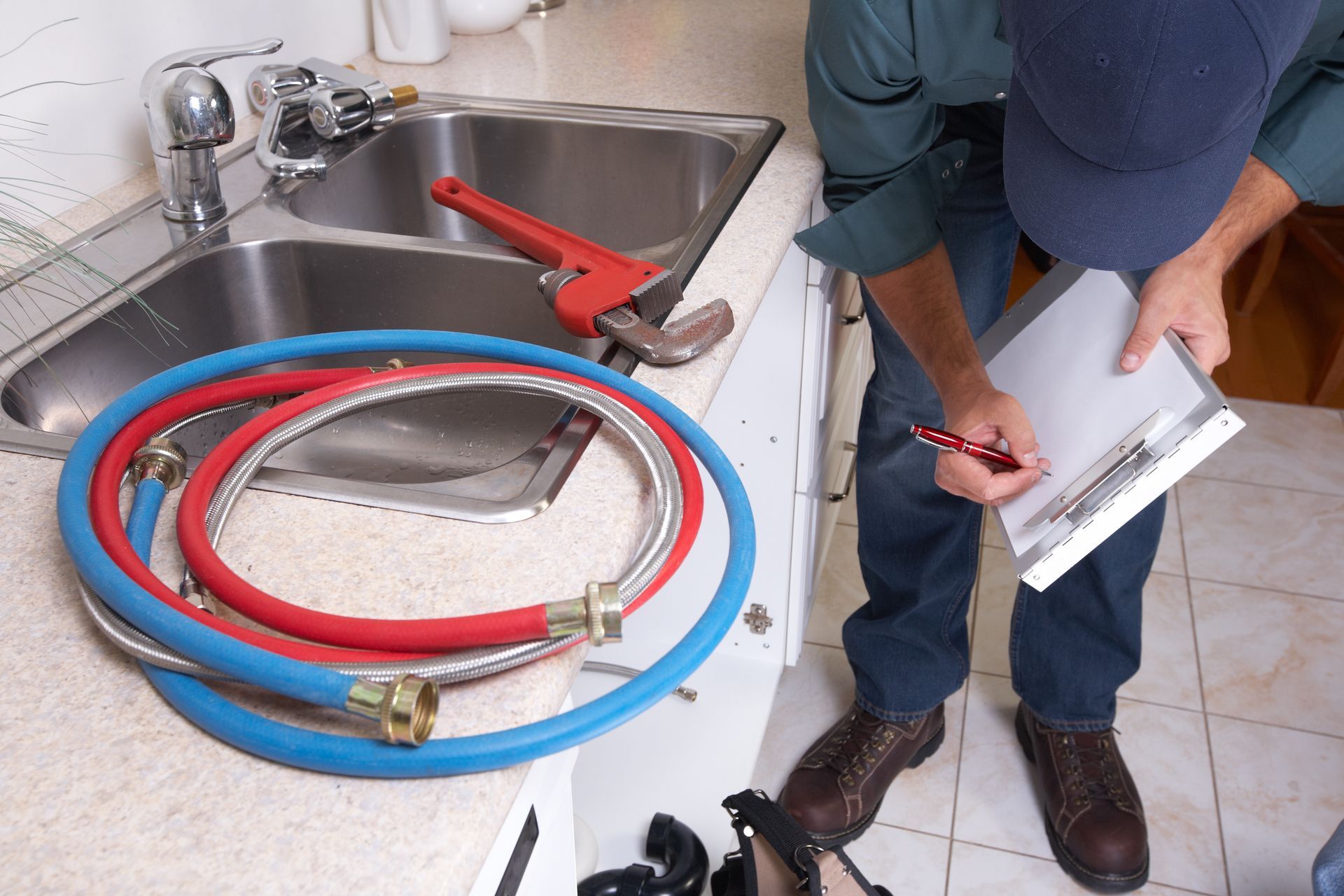
A stubborn kitchen clog may require professional drain cleaning. A leaking or failing disposal may need repair or replacement. Either way, you don't have to keep guessing.
To schedule plumbing service and get your kitchen sink draining properly again, reach out to us today.