Toilet Repair or Replacement: How to Decide
A toilet that runs for a few seconds after every flush may not seem like a big problem. Neither does the occasional need to jiggle the handle. But when the same toilet starts acting up every few months, leaks around the base, or needs more than one flush to do its job, you may start wondering whether another toilet repair is really the best use of your money.
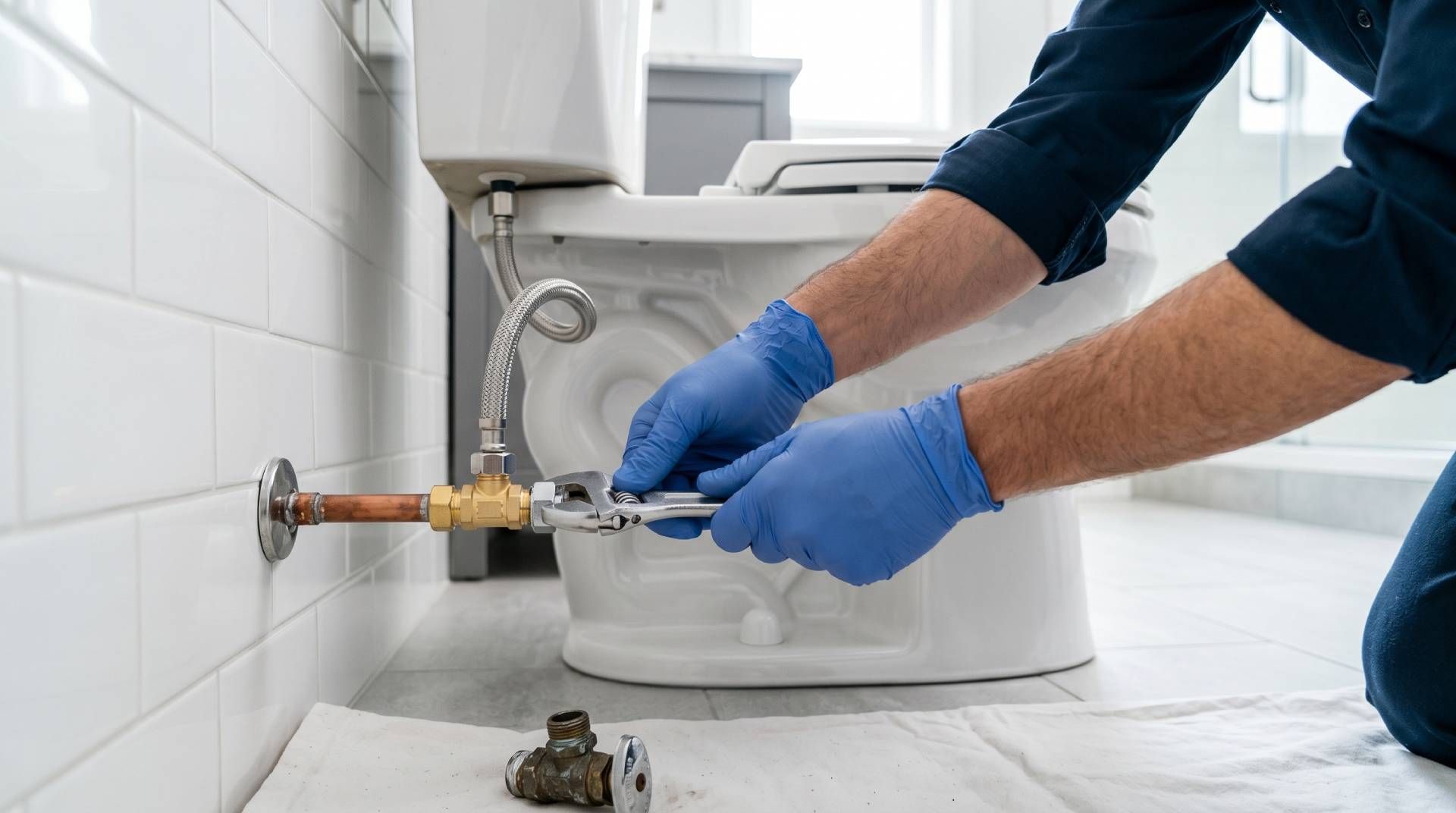
Sometimes, fixing a toilet is all you need. Other times, replacing the toilet makes more sense. The key is knowing what you’re dealing with. Before you spend money on another repair—or replace a toilet that still has years of useful life left—consider its age, condition, repair history, and overall performance.
Start With the Age of Your Toilet
Age gives you a useful starting point. The average lifespan of a toilet is about 10 to 15 years. That doesn’t mean every 15-year-old toilet needs to come out tomorrow. Some last longer, particularly when well-maintained. Still, an older toilet deserves a closer look when problems start piling up.
If your toilet is only a few years old and has a straightforward mechanical problem, repair will often be the practical choice. Once a toilet reaches the latter part of that 10-to-15-year range, however, spending money on repeated service calls may become harder to justify. Think about the bigger picture rather than one isolated repair.
When Toilet Repair Usually Makes Sense
Many toilet problems come down to relatively simple components inside the tank. A worn flapper is a good example. Replacing a toilet flapper is a minor, inexpensive fix that generally makes the repair worthwhile.
Other repairable issues can include a faulty fill valve, loose handle, damaged flush valve, or problems with the tank hardware. If the toilet itself is in good condition, there is little reason to replace the entire fixture simply because one serviceable component has worn out.
The same logic applies when the toilet is relatively new. Fixing a toilet that otherwise performs well can extend its service life without the expense of installing a new fixture.
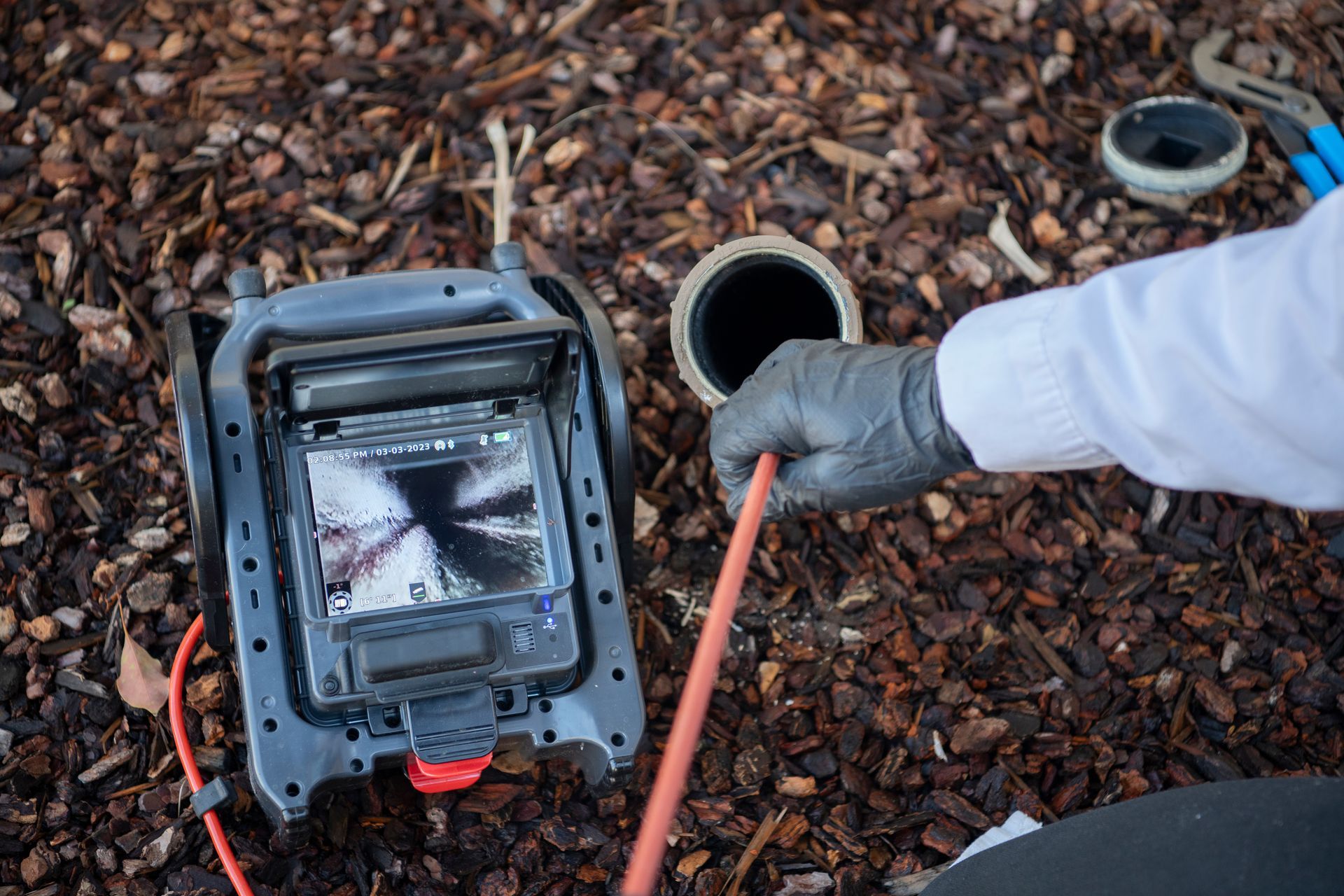
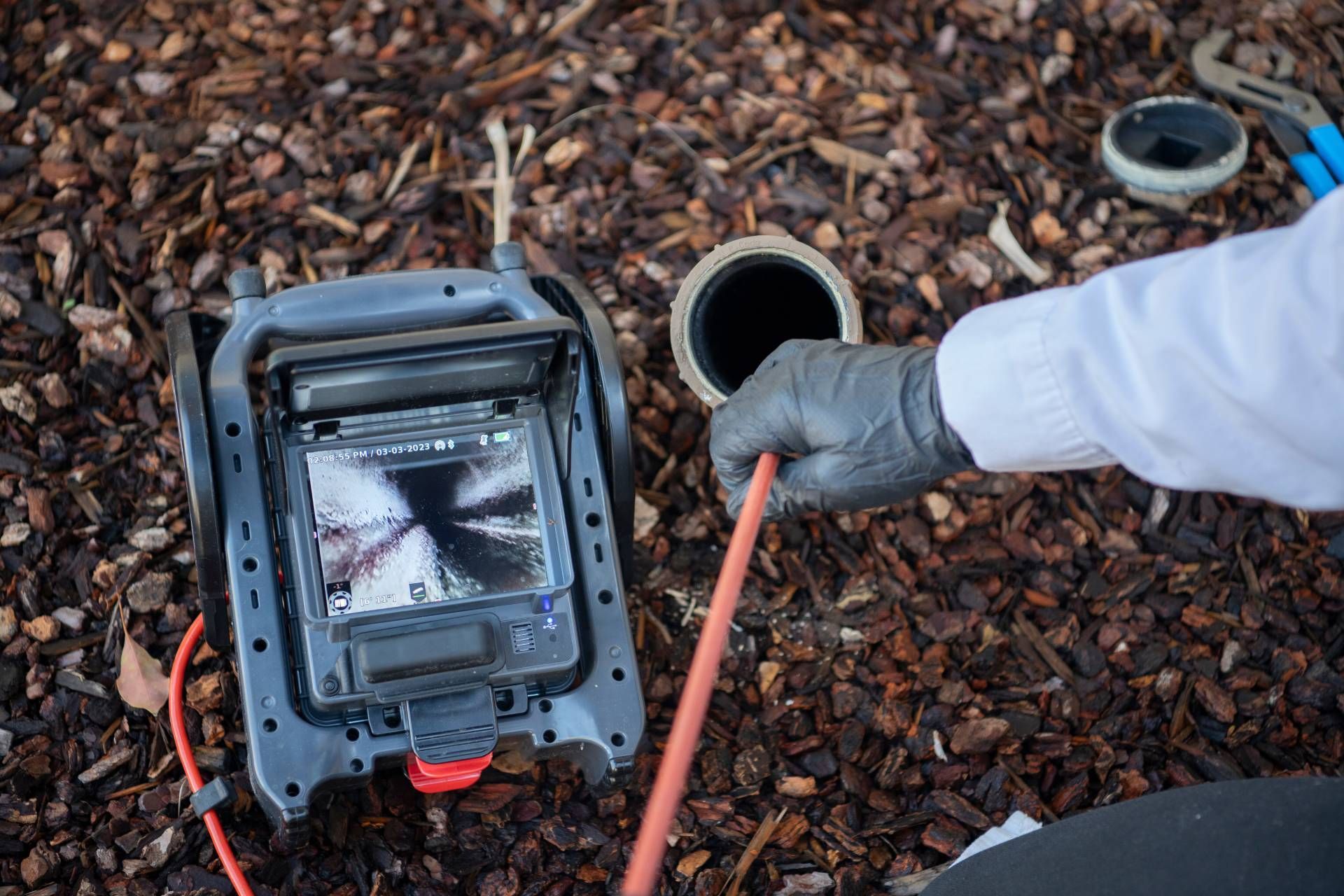
A professional plumbing inspection can also help determine whether the trouble actually originates with the toilet. Slow flushing, for example, could point to a drain problem rather than a defective fixture.
Know the Reasons for a Toilet Running
A running toilet is one of the most common reasons homeowners call a plumber. It can also waste a significant amount of water if ignored.
Common reasons for a toilet running include a flapper that no longer seals properly, an improperly adjusted float, a problem with the fill valve, or a worn component inside the tank. In these cases, toilet repair may solve the problem without requiring a new fixture.
Pay attention to how often the toilet runs. If you hear water cycling when nobody has used the bathroom, something isn't working as it should. The problem may be small, but allowing it to continue can show up on your water bill.
Persistent running after parts have already been repaired or replaced is a different story. At that point, it makes sense to evaluate the toilet as a whole.
Cracks and Leaks Deserve Immediate Attention
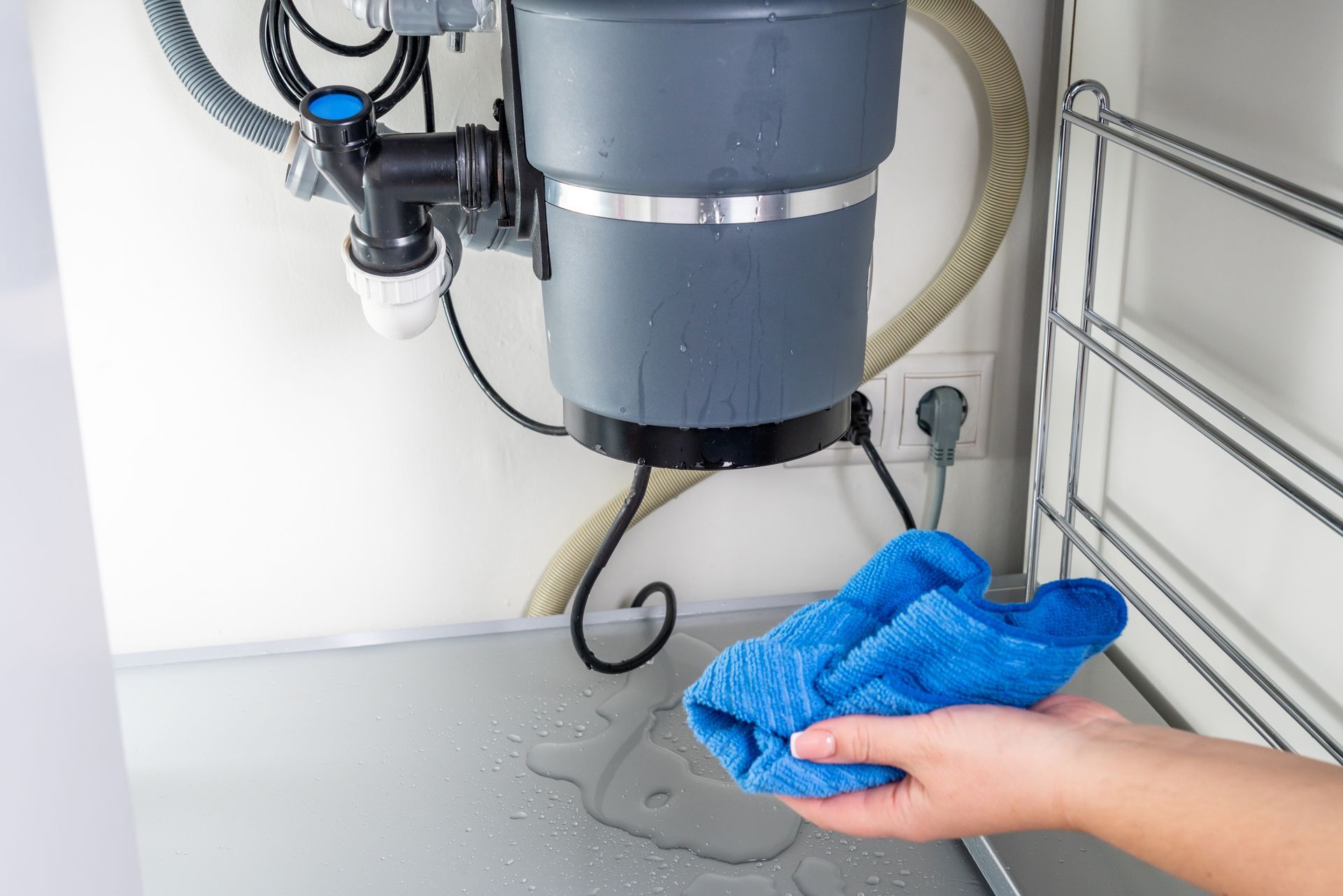
Not every toilet problem gives you the luxury of waiting. Water around the toilet should always be investigated. The source could be a connection, seal, tank component, or the toilet itself. A leaking seal at the base may allow moisture to reach the flooring or subfloor, where damage isn't always immediately visible.
Cracks are another concern. A small cosmetic mark and a crack that compromises the toilet aren't the same thing, so have questionable damage inspected rather than guessing. Visible deterioration matters, too. Corrosion, mineral buildup, and other signs of significant wear can indicate that a fixture is nearing replacement.
If the toilet is overflowing and you cannot stop the water, treat it as an urgent plumbing problem.
Consider Performance and Water Use
An older toilet doesn't have to be completely broken to become a candidate for replacement.
Maybe it clogs regularly. Perhaps you frequently need a second flush. Or the fixture has become unreliable enough that everyone in the house knows its quirks. That isn't ideal.
A newer toilet can offer more dependable flushing while using water efficiently. When comparing replacement options, consider gallons per flush (GPF), fixture quality, and manufacturer warranties rather than choosing solely based on purchase price.
Comfort matters as well. Replacing toilet fixtures gives homeowners an opportunity to choose a different bowl shape, seat height, or design that better suits the bathroom and the people using it.
Use a Simple Repair-or-Replace Checklist
Still undecided? Ask yourself five questions:
- Is the toilet approaching or beyond 10 to 15 years old?
- Has it required multiple repairs in the past few years?
- Does it run, clog, leak, or flush poorly on a regular basis?
- Is there visible damage or deterioration?
- Would the cost of another repair be better applied toward a newer fixture?
A younger toilet with one worn part usually points toward repair. An aging toilet with recurring problems makes a stronger case for replacement.
Find Toilet Repair and Replacement near Dallas-Fort Worth, TX
You shouldn't have to keep guessing whether the toilet needs another part or a complete replacement. On Point Plumbing DFW can inspect the fixture, identify the problem, and explain your options before work begins.
With more than 50 years of combined experience, the On Point Plumbing DFW team provides residential and commercial plumbing services with fair pricing, friendly communication, strong warranties, and work performed in accordance with local codes. The goal is simple: do the job correctly the first time.
For toilet repair or toilet replacement throughout the Dallas-Fort Worth area and surrounding communities, connect with us today.