Is Your Water Hard? Signs to Watch For in DFW
If you live in the Dallas-Fort Worth area, you may have noticed white spots on your faucets, cloudy drinking glasses, or stubborn residue around your shower. Those little annoyances could be telling you something about your water.
So, how do I know if I have hard water? Start by looking at what your water leaves behind. Hard water contains higher concentrations of dissolved minerals, primarily calcium and magnesium. Those minerals aren’t generally considered a health concern, but they can create problems for plumbing fixtures, appliances, and everyday cleaning.
Knowing what to look for can help you decide whether water treatment makes sense for your North Texas home.
What Is the Difference Between Hard Water and Soft Water?
Hard water contains higher concentrations of dissolved calcium and magnesium, while soft water may contain lower concentrations of these minerals.
That difference affects how water behaves throughout your home.
Soap and detergent don’t work as efficiently in hard water because they react with the minerals in it. You may use more shampoo, hand soap, laundry detergent, or dishwashing detergent to get the results you want. Minerals can also remain behind after water evaporates, creating the scale and spots commonly associated with hard water.
Softened water reduces these issues by removing minerals before the water travels through your home.
How Can I Tell If I Have Hard Water?
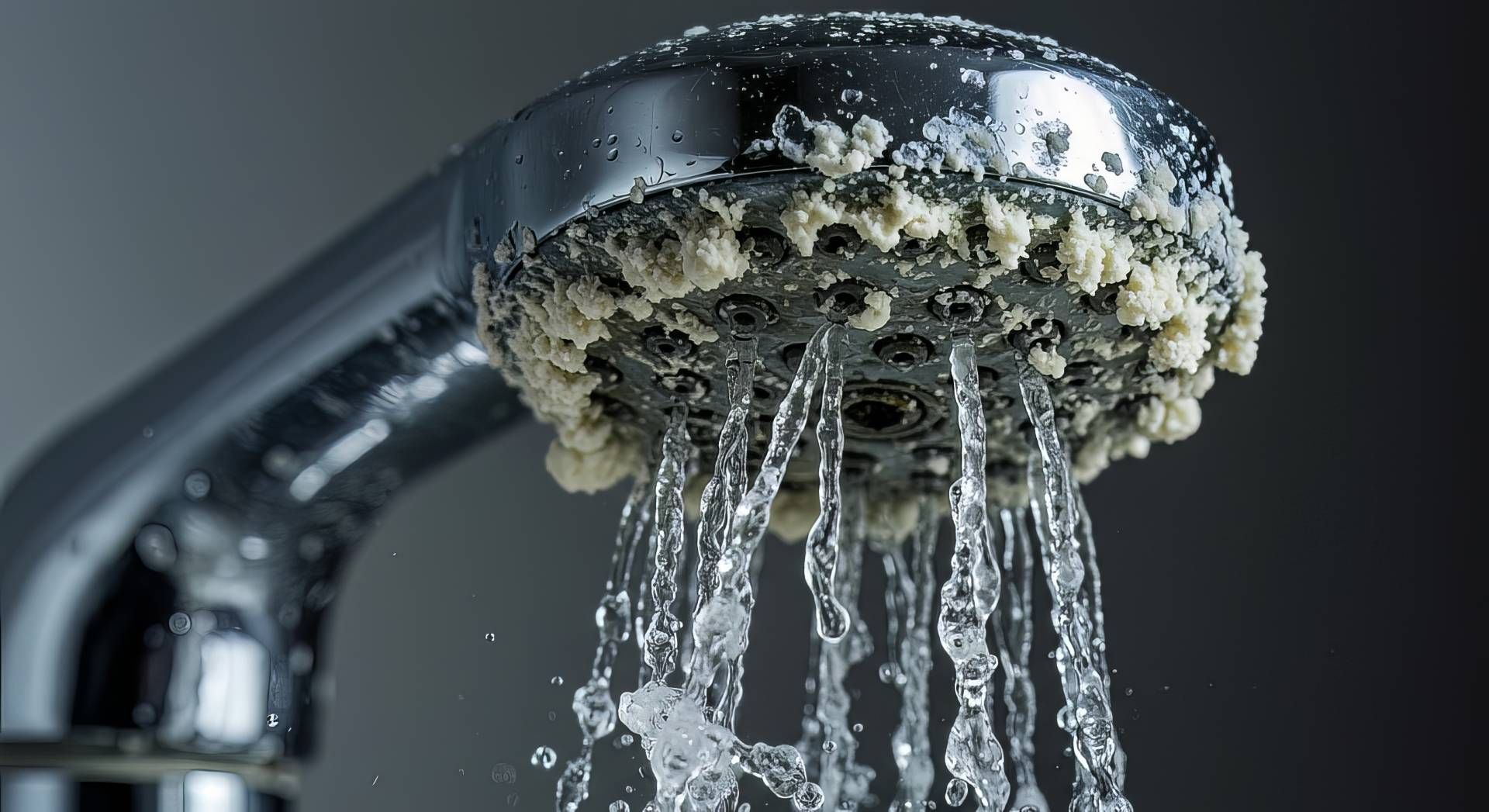
You don’t necessarily need special equipment to spot possible hard water. Your kitchen and bathroom often provide plenty of clues. One of the easiest signs to recognize is white, chalky buildup around faucets and showerheads.
You might clean it away only to see it return. Glass shower doors can also develop cloudy mineral deposits that regular cleaning doesn’t easily remove. Check your dishes, too. Glassware that comes out of the dishwasher looking cloudy or spotted may be another clue.
Soap performance can tell you something as well. Hard water makes it more difficult to create a good lather and can leave soap residue behind. If washing your hands, hair, or dishes seems to require more soap than expected, your water could be part of the problem.
These symptoms alone don’t measure the exact hardness level, however. Testing the water provides a clearer answer if you want to know exactly what you’re dealing with.
Watch for Mineral Buildup on Plumbing Fixtures
Hard water isn’t only a cleaning issue. Over time, mineral scale can collect on plumbing components and inside equipment that regularly handles water.
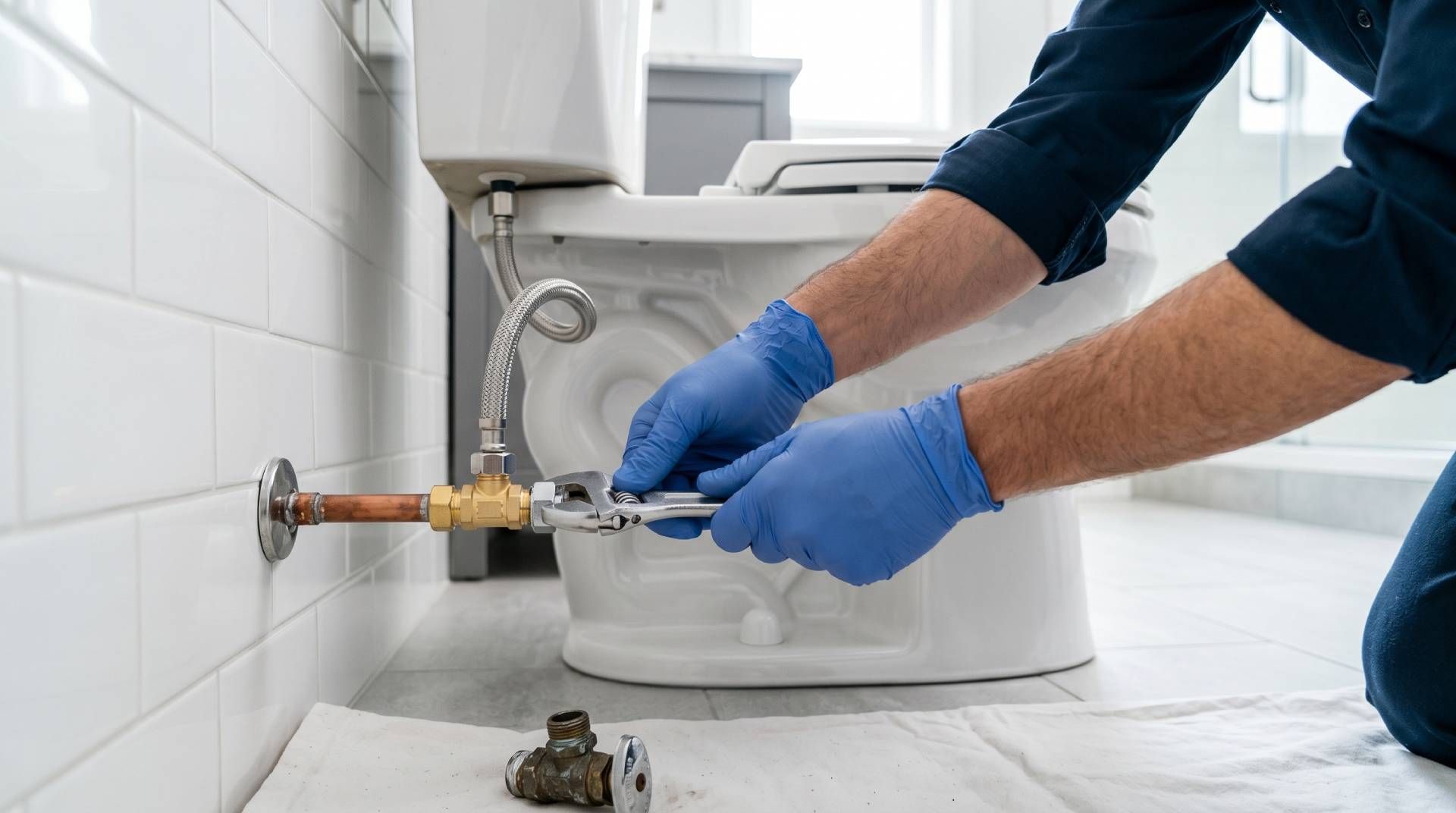
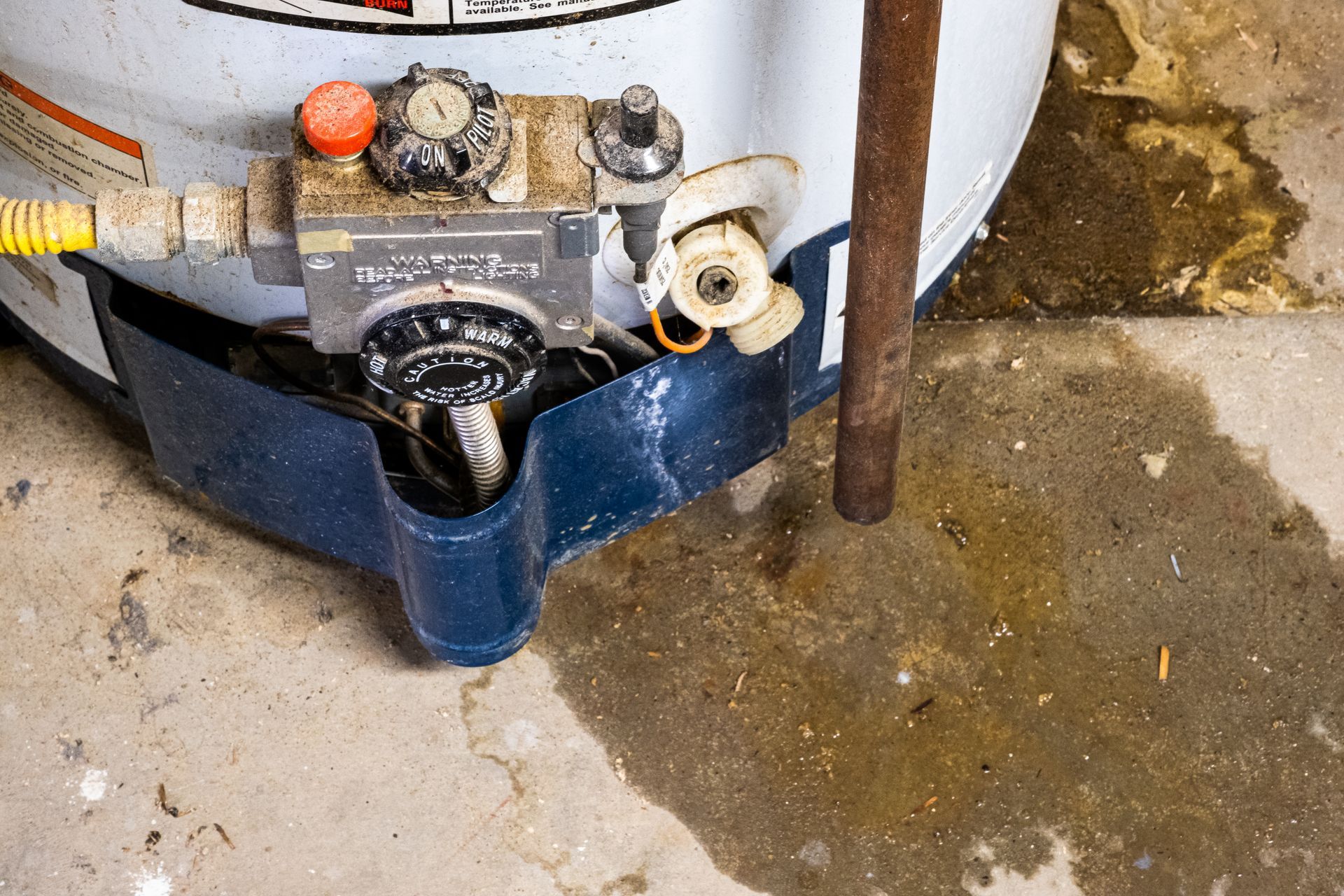
Faucet aerators and showerheads are common trouble spots because their small openings can gradually become restricted. You may notice an uneven spray pattern or reduced flow. Scale can also accumulate around valves, connections, sinks, tubs, and other fixtures. Water heaters deserve special attention. Heating hard water encourages mineral deposits to form inside the unit. That sediment can interfere with efficient operation and contribute to wear over time.
If you keep cleaning or repairing fixtures affected by mineral deposits, treating the water itself may make more sense than continually dealing with the symptoms.
Do I Have Hard Water or Soft Water? Test It to Know for Sure
Visual clues are useful, but a water hardness test gives you a more reliable answer.
Water hardness is typically measured as the concentration of calcium carbonate in milligrams per liter (mg/L) or grains per gallon (GPG).
Your specific water conditions can vary depending on where you live and your water source, so a test is more useful than assuming every DFW property has identical water. Once you know the hardness level, you can determine whether treatment would provide worthwhile benefits.
What Can You Do About Hard Water?
The right treatment depends on what minerals are in your water and what problems you want to solve.
For hardness caused by calcium and magnesium, a whole-home water softener is a common option. Traditional softeners use an ion-exchange process to reduce hardness minerals before treated water reaches faucets, showers, water heaters, and water-using appliances.
Other water treatment or filtration systems address different water-quality concerns. That distinction matters. A filter designed to reduce certain tastes, odors, sediment, or contaminants isn’t automatically a water softener, and a softener isn’t intended to solve every possible water-quality issue.
Call Us for Plumbing Services You Can Trust in Dallas-Fort Worth
On Point Plumbing DFW provides residential water treatment solutions, as well as fixture installation and repair, throughout the Dallas-Fort Worth area. With more than 50 years of combined plumbing experience, the team focuses on quality workmanship, clear communication, fair pricing, strong warranties, and work completed in accordance with local codes and ordinances.
We can help you understand what your plumbing needs are and discuss appropriate water treatment options. Stop guessing about what your water is leaving behind. Book a free on-site estimate today to have your concerns evaluated and find a water treatment solution that fits your needs.