Signs of a Clogged Main Sewer Line and Common Causes
Sewer line problems often develop underground, out of sight, long before a homeowner realizes something is wrong.
Maybe several drains suddenly seem slower than usual. The toilet gurgles when the washing machine drains. Or you clear what looks like a routine clog, only to have it return a few weeks later. Any of these can signal a clogged main sewer line or damage farther down the system.
Below, Dallas-Fort Worth homeowners will find the signs and common causes of sewer trouble, plus how a sewer line cleanout and camera inspection help pinpoint the problem.
Common Causes of Sewer Line Problems
Several problems can restrict, damage, or eventually cause a sewer line to fail. Some develop gradually, while others stem from changes around the buried pipe.
Tree root intrusion is a common example. Roots naturally grow toward sources of moisture. If an underground sewer pipe develops a crack, loose joint, or other opening, roots can work their way inside. As they grow, they can restrict wastewater flow, collect debris, and contribute to recurring clogs.
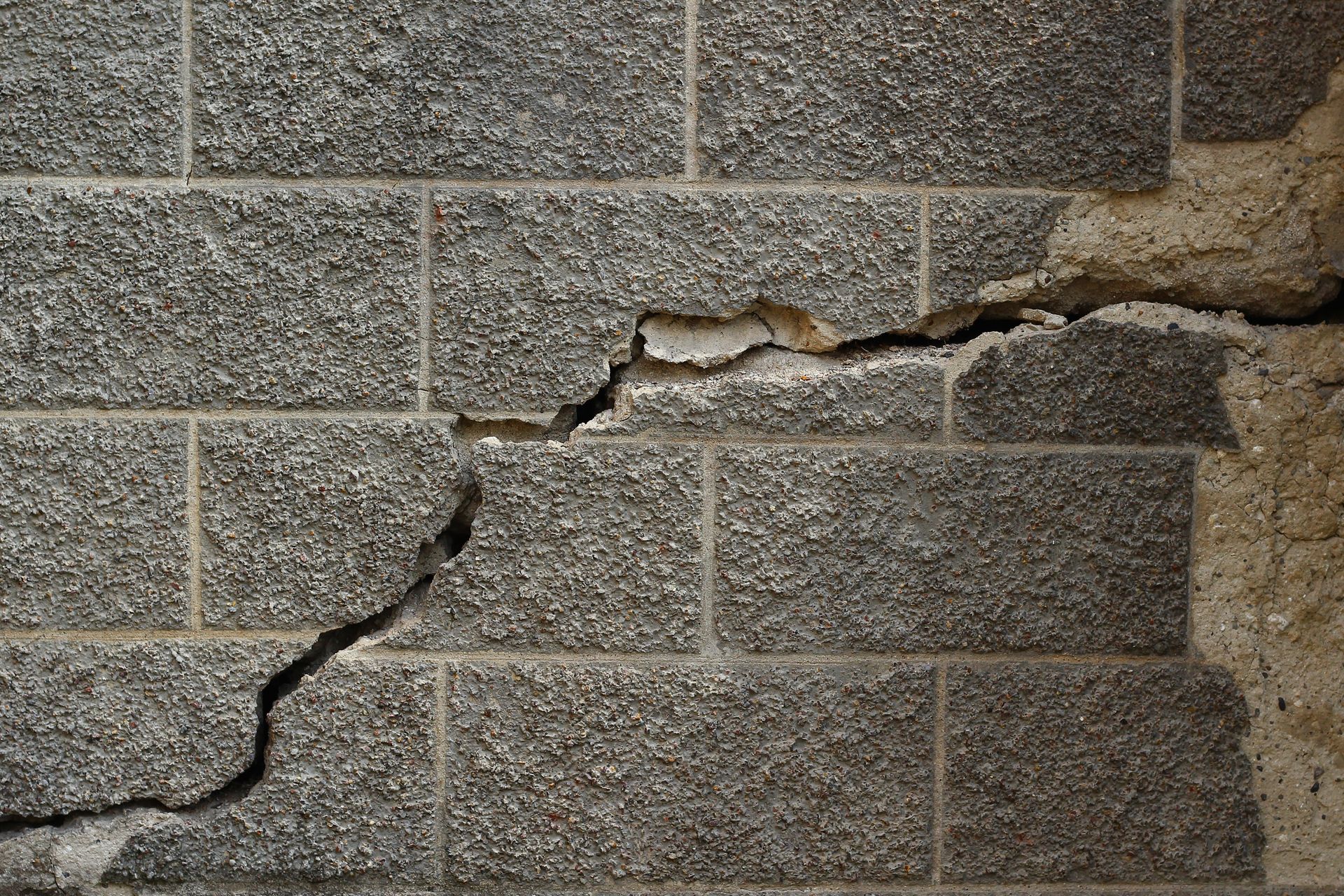
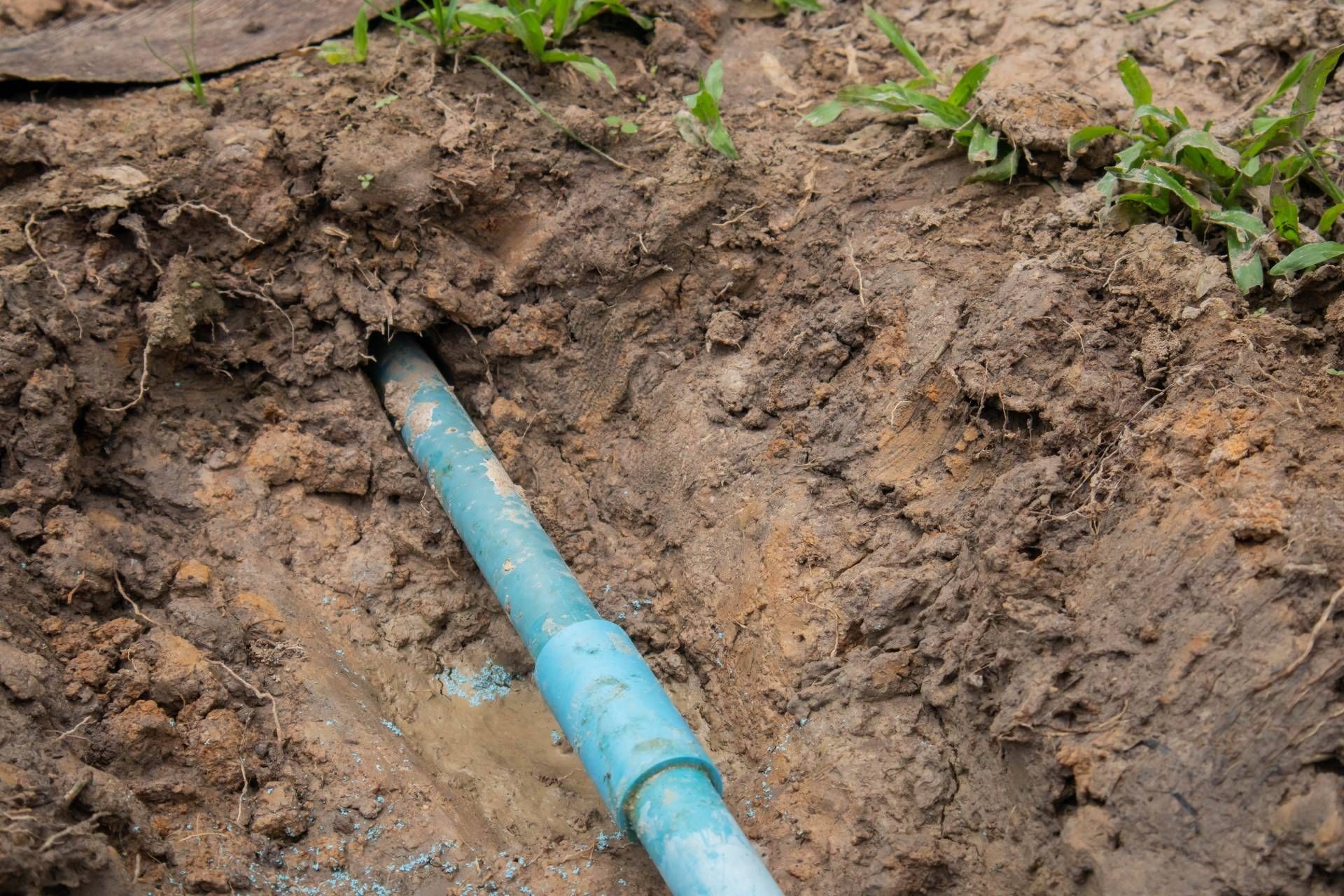
Age matters, too. Older sewer pipes can deteriorate over time. Depending on the material, a pipe may develop corrosion, cracks, weakened joints, or other structural issues. Eventually, a damaged section can sag, separate, or even collapse.
Ground movement creates another source of trouble. Soil settles and shifts over time, putting pressure on buried plumbing. A section of sewer pipe may become misaligned or develop a low spot where water and waste collect instead of flowing freely toward the municipal sewer.
Then there's grease. Pouring fats, oils, and grease down kitchen drains may seem harmless when they're warm and liquid. As they cool, however, they can stick to pipe walls, trapping food particles and other debris. The opening inside the pipe gradually narrows, increasing the likelihood of a blockage.
Other materials that don't belong in a drain or toilet, such as wipes, can also contribute to the problem. A sewer system works best when household drains carry wastewater and appropriate waste, not materials that are difficult to break down or flush through the line.
Signs of a Clogged Main Sewer Line
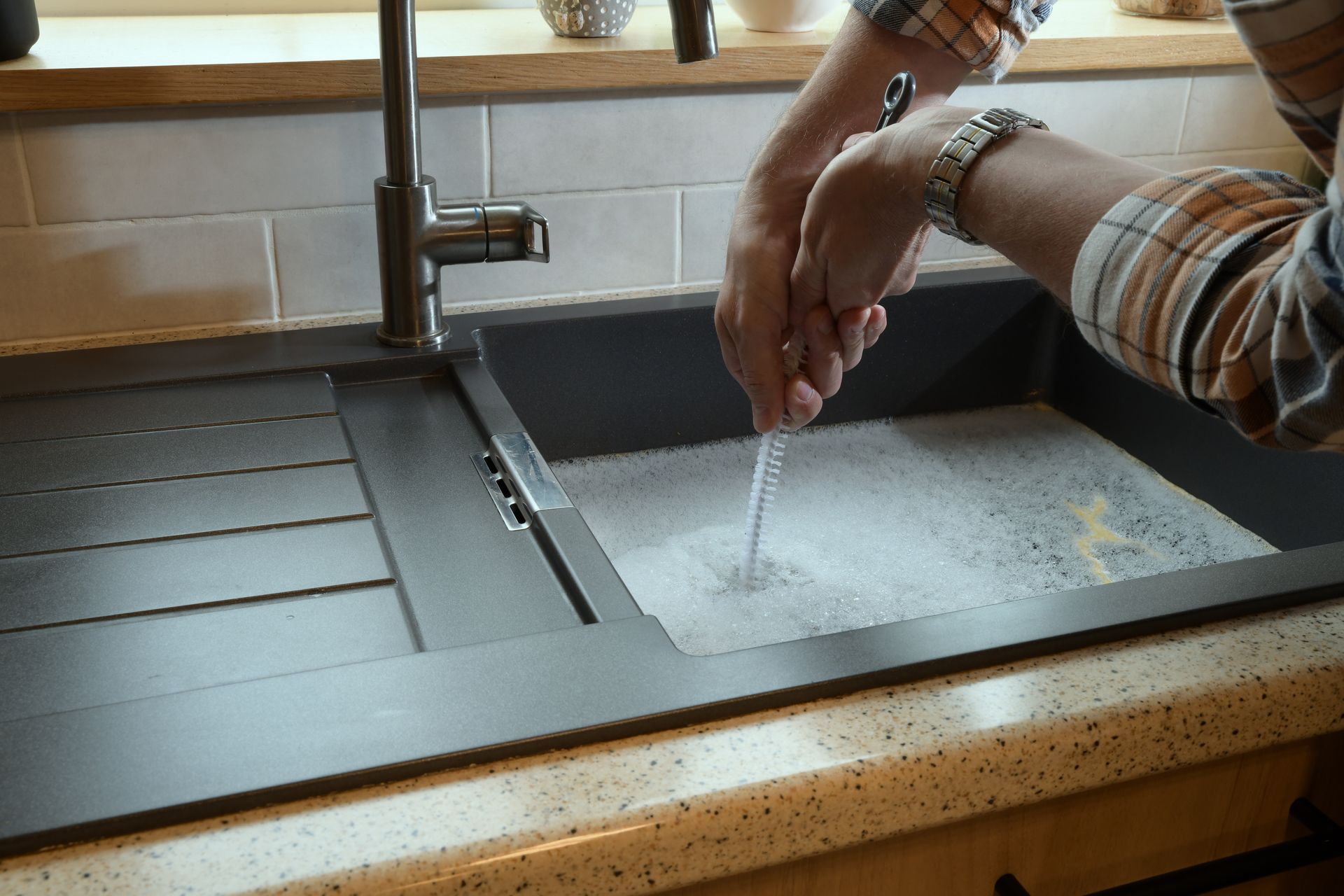
One slow sink doesn't automatically point to a sewer problem. The clog could simply be located in that fixture's drain.
The situation becomes more concerning when several plumbing fixtures start acting up at the same time. If toilets, showers, tubs, and sinks are draining slowly throughout the house, the restriction may be located in the main sewer line.
Gurgling deserves attention as well. Strange bubbling or gurgling sounds from a toilet or drain can point to a clog in the line.
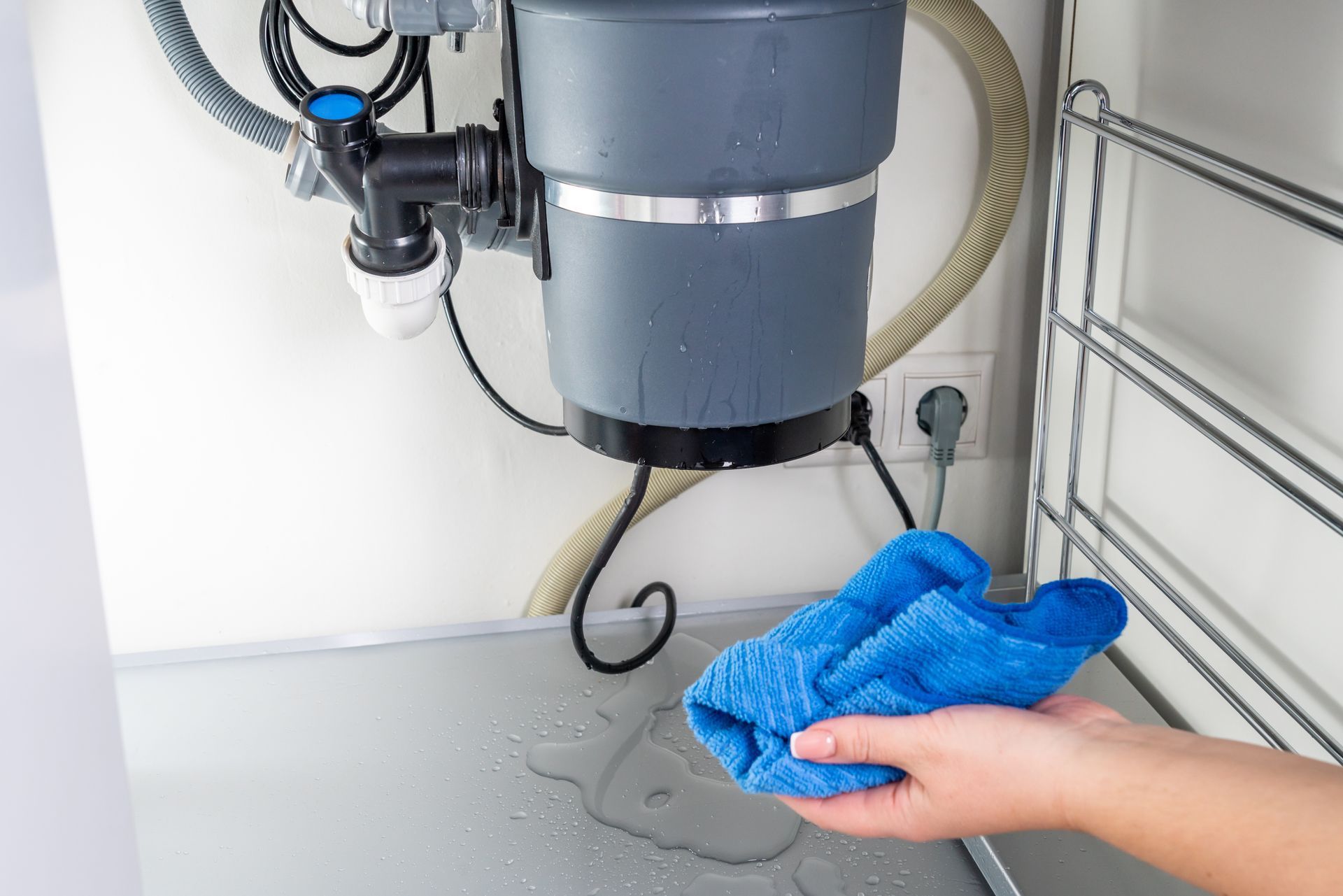
Watch how different fixtures interact. For example, flushing a toilet or running a washing machine may cause water to appear in a nearby tub or shower. Wastewater backing up through a low drain is an even clearer warning sign. If that happens, stop using water in the house and call a plumber.
Persistent sewer odors are another warning sign, though a faulty drain trap can cause them as well. So are unexplained soggy areas or unusually lush patches of grass along the path of an underground sewer line, which can sometimes indicate a leaking pipe.
Recurring clogs are particularly frustrating because they can appear to be fixed. If you repeatedly have the same drainage problem, simply clearing the immediate obstruction may not address the underlying cause.
How a Sewer Line Cleanout Helps Unclog a Sewer Line
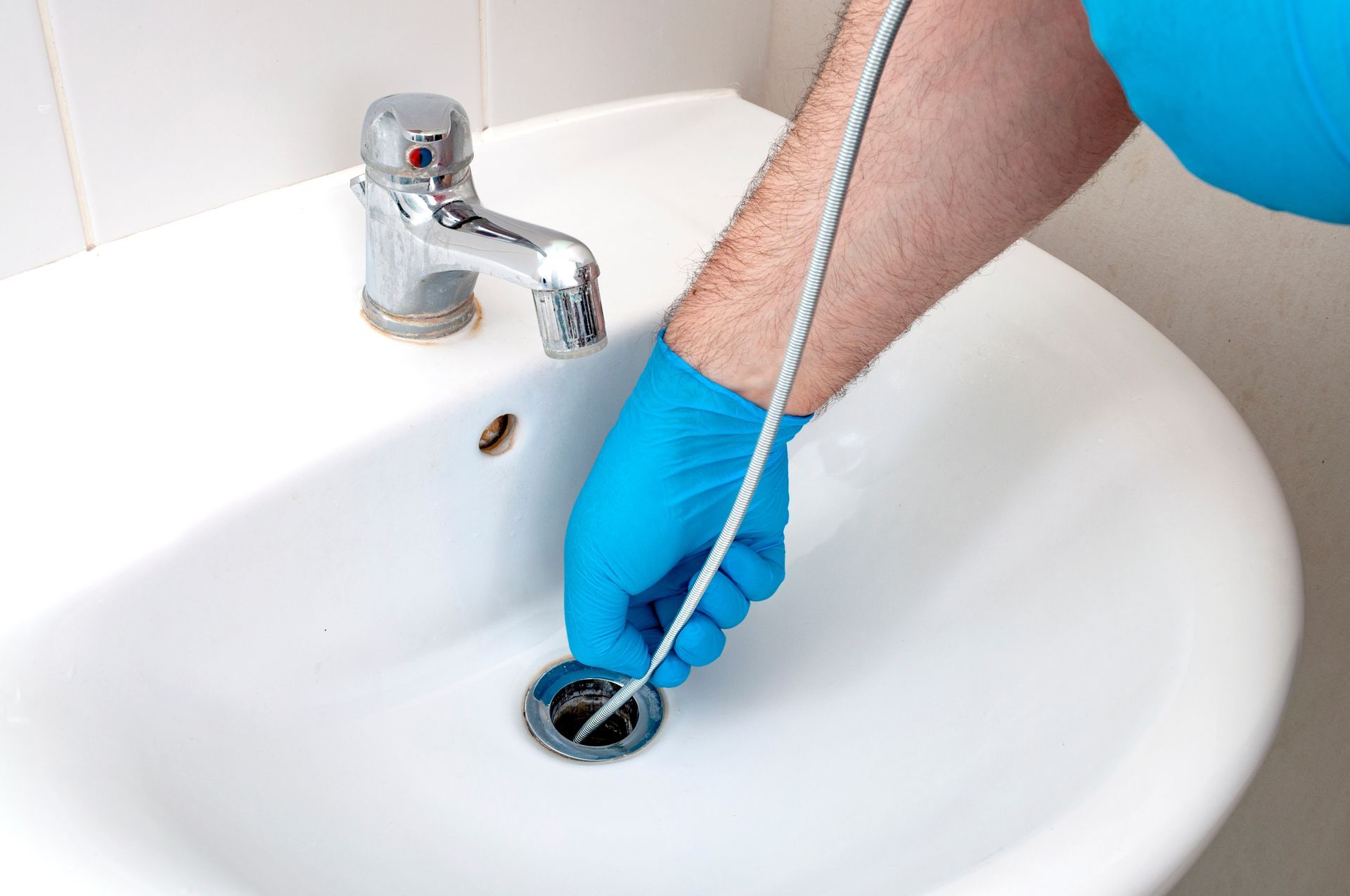
A sewer line cleanout provides an access point to the drainage system. A plumber can use that access to inspect or clean the main sewer line, depending on the home's plumbing configuration.
If you need to unclog a sewer line, knowing the location and condition of the cleanout can make the diagnostic process more straightforward. The plumber can evaluate the system and determine what is actually restricting flow rather than treating every sewer problem like an ordinary drain clog.
A main line sewer cleanout is especially useful when a plumber needs to insert professional equipment into the sewer line.
What a Sewer Camera Inspection Reveals
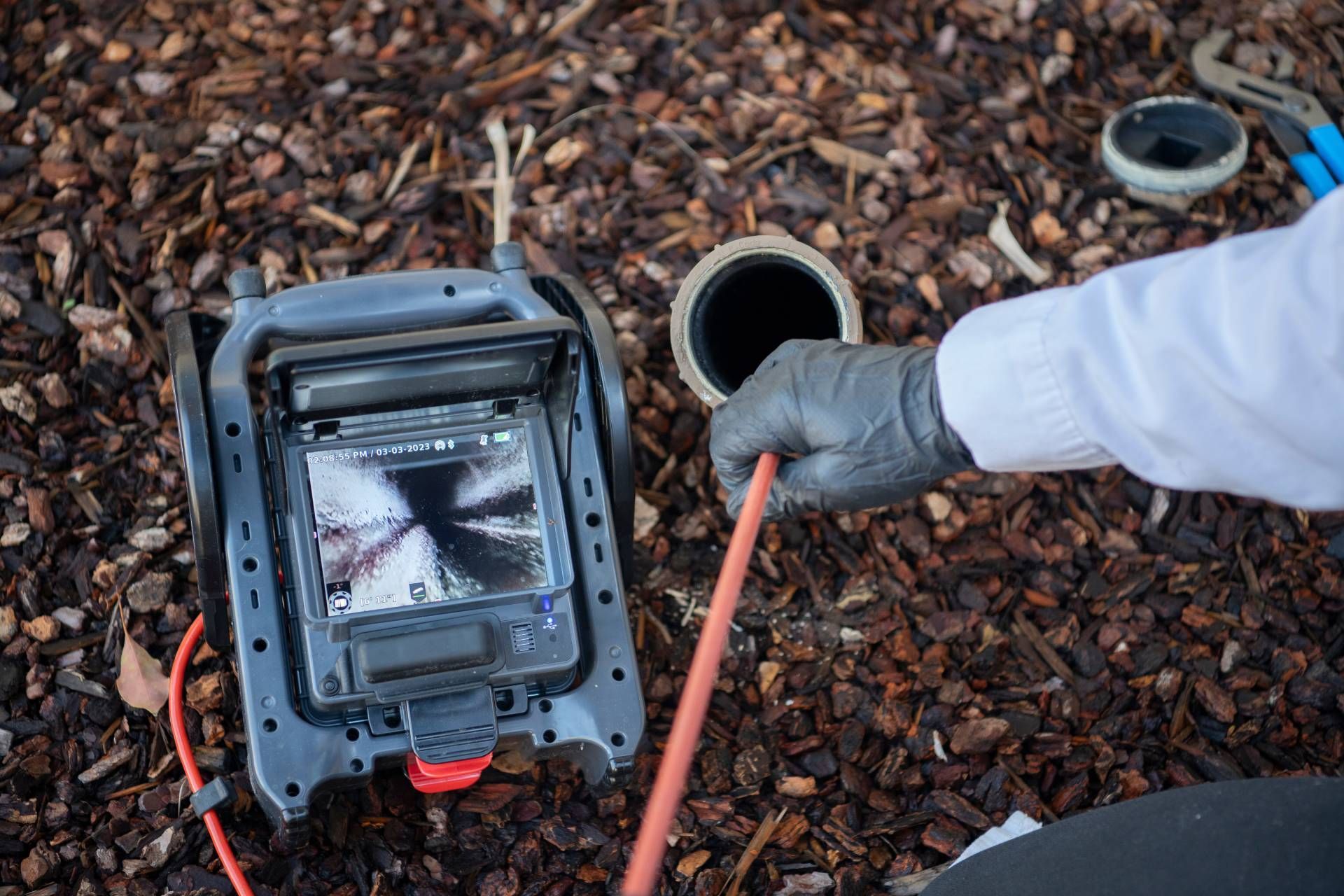
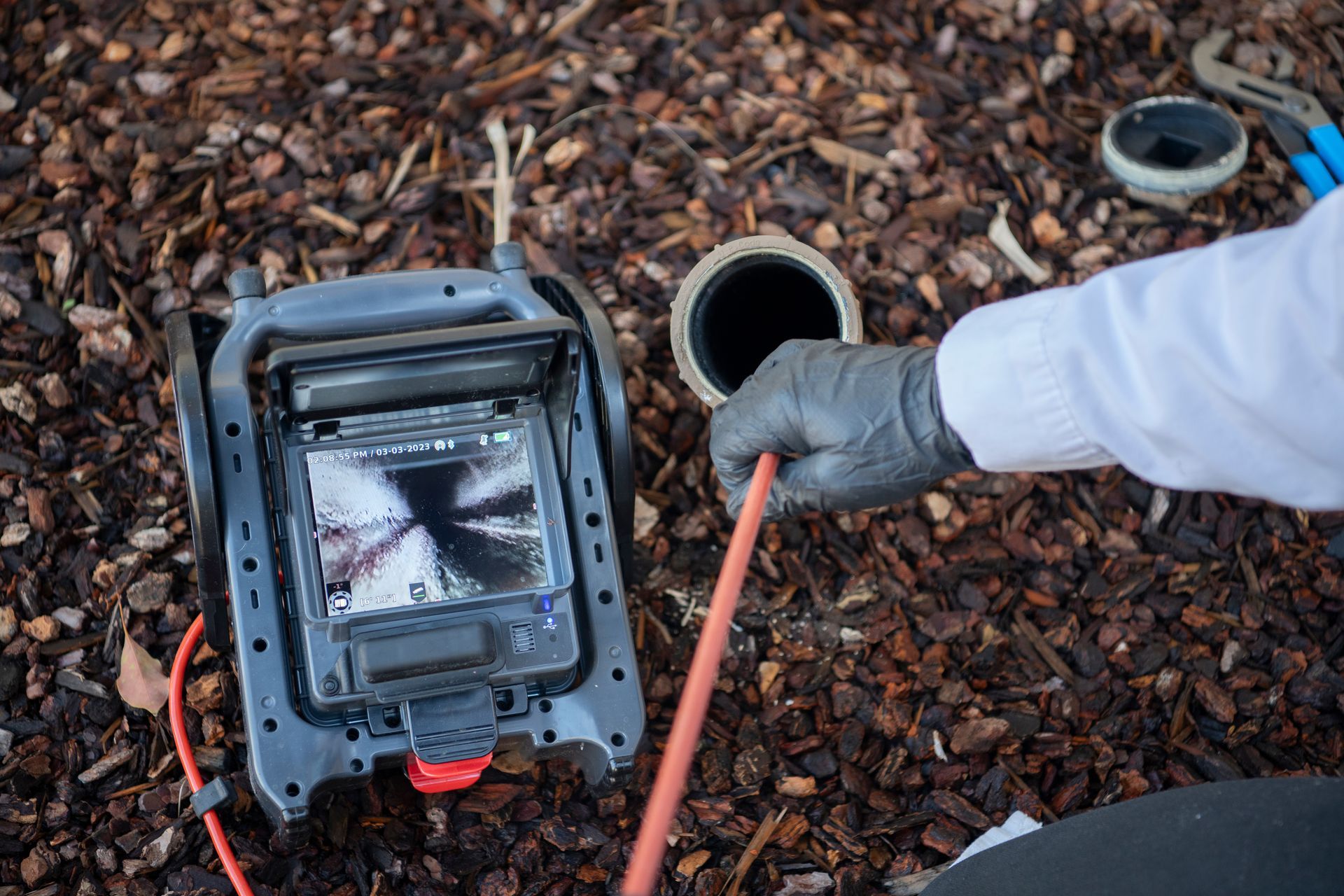
Because the main sewer line is underground, you can't diagnose its condition by looking around the house, so plumbers rely on a sewer camera inspection.
A plumber feeds a flexible camera through the sewer line and watches live footage of the pipe's interior. The camera can reveal root intrusion, grease and debris buildup, cracks, broken or offset joints, low spots, and areas where a pipe has deteriorated or collapsed.
Different problems require different solutions, and a blockage that can be cleared is not the same problem as a broken pipe that needs repair.
A camera inspection helps identify both the nature and location of the problem before you decide on repairs. Instead of guessing based solely on symptoms, the plumber can see what is happening inside the line and recommend an appropriate next step.
Schedule a Main Line Sewer Cleanout in Dallas-Fort Worth
If you're seeing signs of a clogged main sewer line, don't wait for sewage to back up into your home. On Point Plumbing DFW provides residential and commercial plumbing services from locations in Bedford and Fort Worth, and we serve the Dallas-Fort Worth area, including Arlington, Weatherford, Aledo, Tarrant County, and Dallas County.
With a combined 50+ years of experience, our team focuses on quality work, friendly communication, fair pricing, strong warranties, and doing plumbing work by the book. The goal is simple: diagnose the problem correctly and do the job well the first time.
Whether you need a sewer line cleanout or help identifying a recurring blockage, our team can assess the system and clearly explain your options.
Catching sewer trouble early can make a big difference. Pay attention when several drains start behaving differently, clogs keep returning, or your plumbing suddenly begins making noises it never made before. Any of these small warnings can indicate trouble in your sewer line, so contact us today.